
BMW M3 E46: history, S54 engine, CSL, specs and buying guide
The BMW M3 E46 put a 343 hp straight-six that revs to 8,000 rpm into one of the best-looking coupés BMW ever made. Its history, the CSL, specs and a practical buying guide.
120 views 1 reading now 3 comments 11 min read last comment by faafa
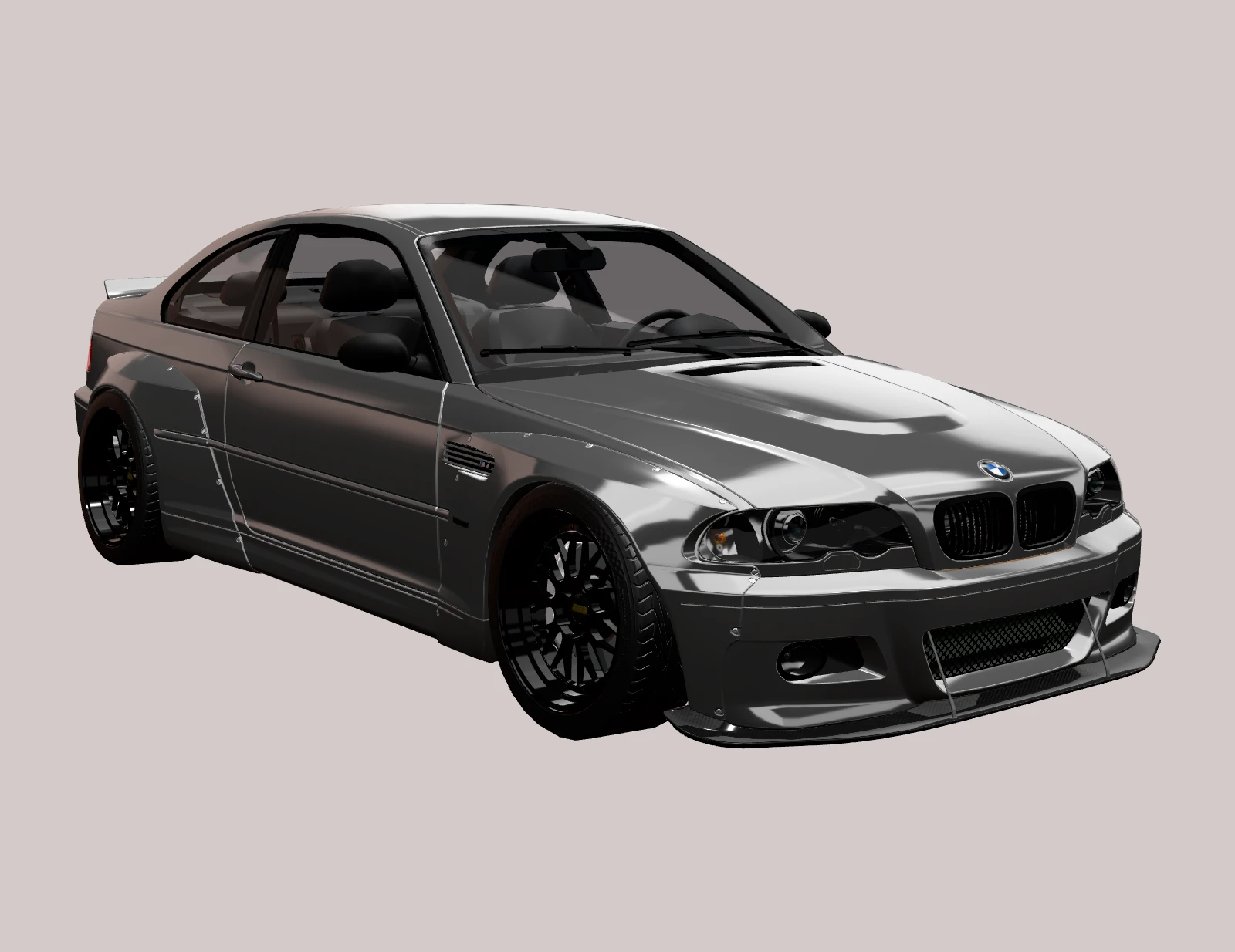 View in 3D
On this page
The BMW M3 E46 is the third-generation M3 and, for many enthusiasts, the best of all. Built from 2000 to 2006, it combined a 3.2-litre straight-six with 343 hp and an 8,000 rpm redline, a six-speed manual or SMG gearbox and some of the best proportions BMW has ever drawn.
In this guide we look at where the E46 M3 came from, how the S54 engine works, the CSL and Competition Package, the full specifications and the most important checks before you buy one.
Where the BMW M3 E46 came from
BMW M presented the third-generation M3 at the Geneva Motor Show in March 2000, and deliveries of the coupé began later that year. It replaced the E36 M3 and was based on the E46 3 Series coupé, which had been launched in 1999.
BMW M changed much more than the engine. The M3 received wider front and rear wings, a bonnet with a raised power dome, side gills with the M logo, a deeper front bumper and four exhaust tips at the rear. Many enthusiasts still consider it one of the best-looking M cars ever made: muscular, but clean and elegant.
In 2001 the coupé was joined by a convertible with a fabric roof. Both shared the same engine and running gear. The same year BMW introduced the SMG II sequential gearbox as an alternative to the six-speed manual.
The E46 M3 was a big success. About 85,000 coupés and convertibles were built until 2006, more than any M3 before it. It was followed by the lightweight M3 CSL in 2003 and the Competition Package in 2005. In 2007 it was replaced by the E92 M3, which switched to a V8. That makes the E46 the last M3 with a naturally aspirated straight-six.
The S54 straight-six explained
The heart of the car is the S54B32, a 3,246 cc straight-six. Bore and stroke are 87 mm and 91 mm, and the compression ratio is 11.5:1. It produces 343 hp (252 kW) at 7,900 rpm and 365 Nm of torque at 4,900 rpm, and it revs to 8,000 rpm. In North America the same engine was rated at 333 hp.
The S54 uses six individual throttle bodies, one for each cylinder, which give it very sharp throttle response. Double VANOS adjusts the timing of both camshafts for strong torque at low revs and maximum power at the top. The engine block is made of cast iron for strength, while the cylinder head is aluminium.
With more than 100 hp per litre, the S54 was one of the most powerful naturally aspirated engines of its size when it was launched. It won several International Engine of the Year awards and is still admired for its sound and character: smooth at low revs, hard and metallic towards the redline.
High revs need careful maintenance. The engine is sensitive to oil quality and oil level, and the VANOS system and the connecting rod bearings are known points to watch on high-mileage engines. With good care, though, the S54 is a durable engine.
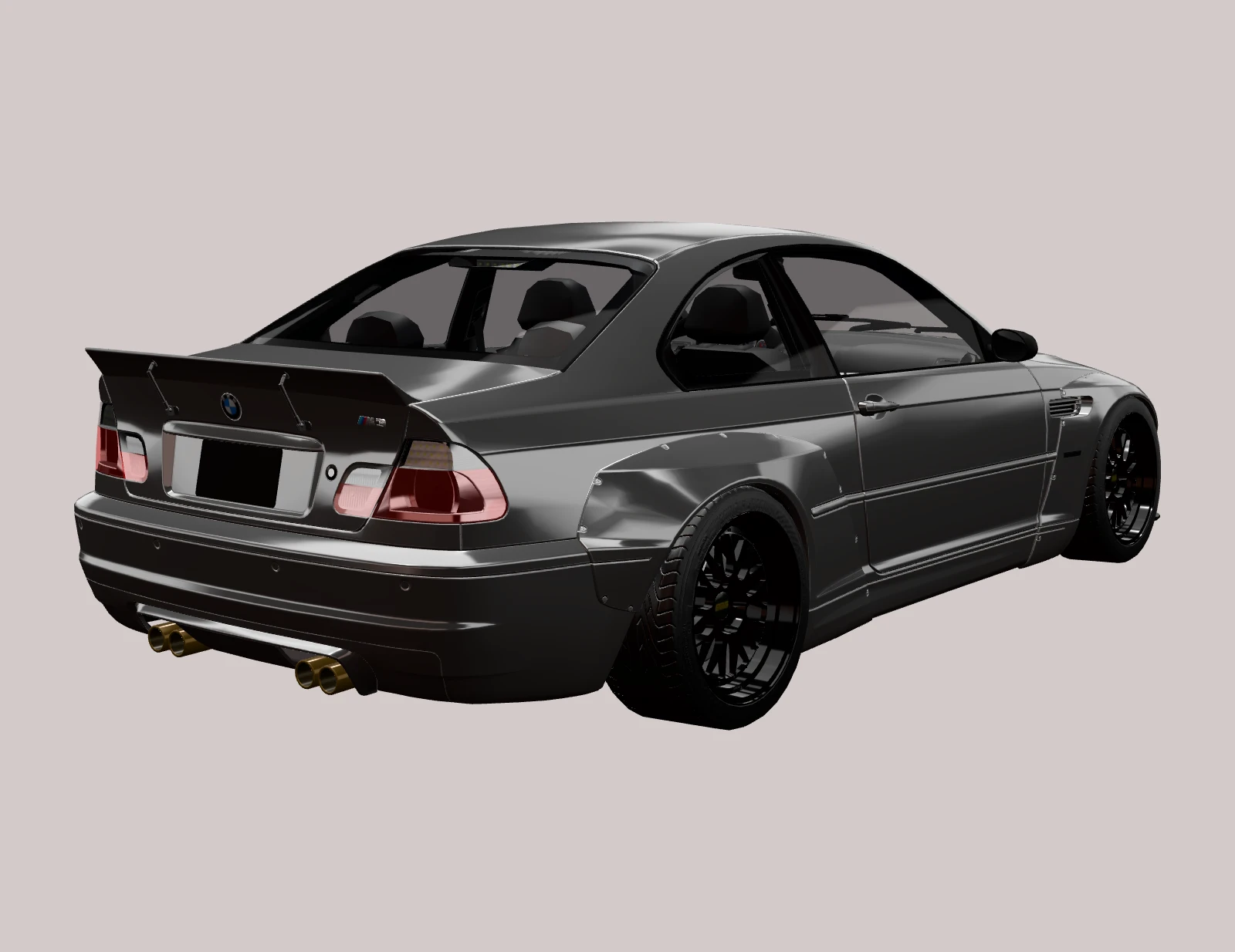
Manual or SMG: gearbox, chassis and brakes
Most E46 M3s were built with a six-speed manual gearbox. It has a precise shift and is the preferred choice of many enthusiasts today. From 2001 BMW also offered the SMG II, a six-speed sequential gearbox with an automated clutch and paddles on the steering wheel.
SMG II changes gear quickly when you drive hard, but it can feel jerky in slow traffic. It also has its own hydraulic pump, which can fail over time. Many buyers today prefer the manual, but a well-maintained SMG car can be a great choice for spirited driving.
Power goes to the rear wheels through the M Variable differential lock, which sends more drive to the wheel with more grip. The chassis uses MacPherson struts at the front and a multi-link rear axle, with stiffer springs, firmer dampers and thicker anti-roll bars than the normal 3 Series.
The brakes use ventilated discs at both ends. Standard wheels are 18 inches with wider tyres at the rear, and 19-inch wheels were available as an option and came with the Competition Package. The combination gives the M3 its famous balance: neutral, predictable and very communicative at the limit.
Design and interior
The E46 M3 looks muscular without being loud. The power dome on the aluminium bonnet, the wide front and rear wings and the side gills with the M badge make it instantly recognisable. At the rear, a diffuser frames four exhaust tips, two on each side.
The roof of the normal coupé is made of steel, but the CSL received a roof made of carbon-fibre reinforced plastic, which saved weight at the highest point of the car. The CSL also has a different boot lid with an integrated lip spoiler and a front bumper with a large single air intake.
Inside, the M3 has sports seats with adjustable side bolsters, an M steering wheel and special instruments with a red-line warning that moves with the engine temperature. The cabin is simple by modern standards, but solidly built and very driver-focused.
The coupé has room for four adults on shorter trips, and the boot is big enough for weekend luggage. This practicality is one of the reasons why many owners used their M3 every day, and why the E46 is still one of the most usable classic sports cars today.
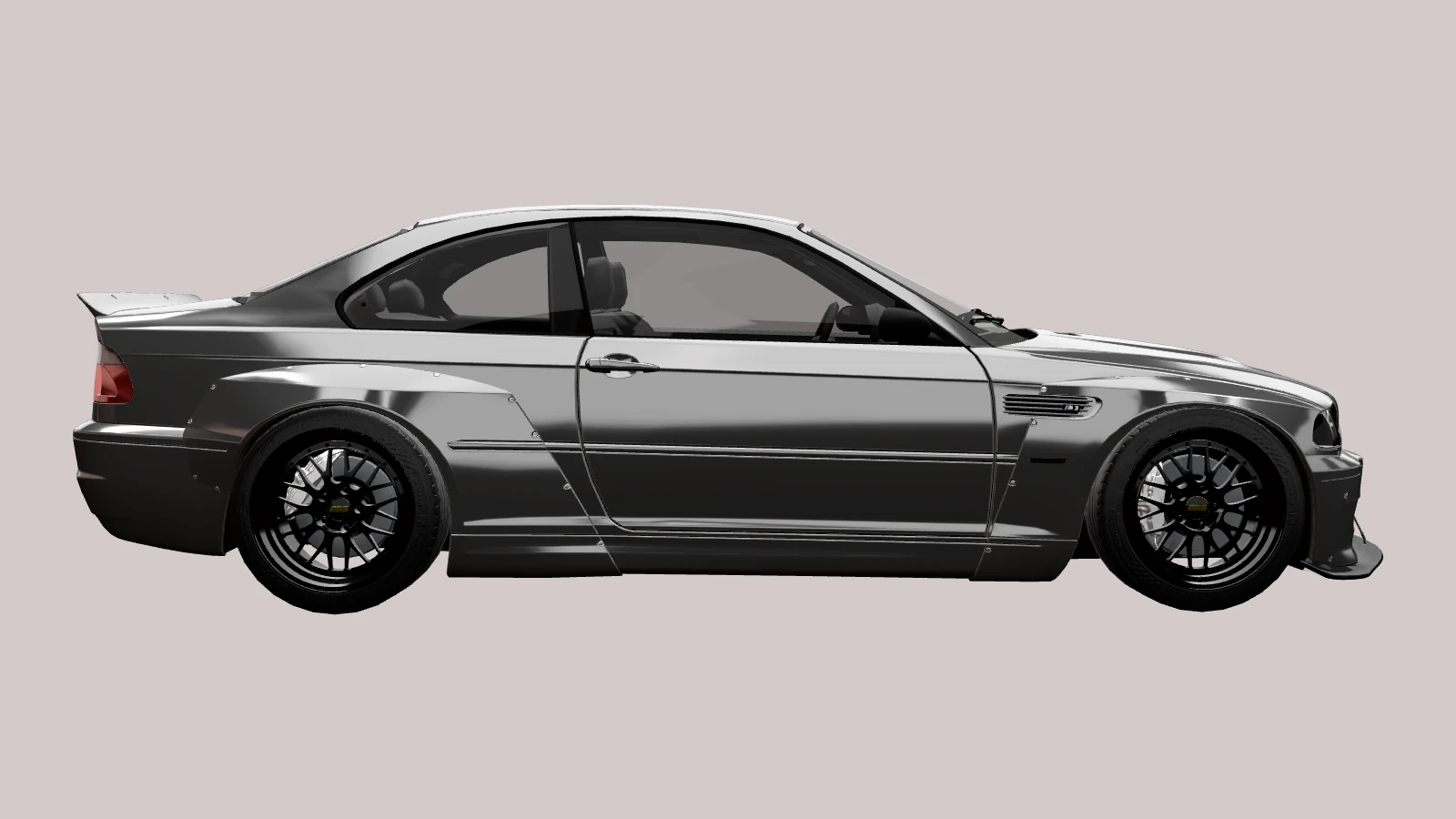
Driving the BMW M3 E46 today
More than twenty years after its launch, the E46 M3 still feels fast. It reaches 100 km/h in about 5.2 seconds, and its top speed is electronically limited to 250 km/h. But the numbers are less important than the experience.
The engine responds instantly, pulls cleanly through the rev range and becomes more and more urgent above 6,000 rpm. The hydraulic steering gives clear feedback, and the chassis communicates exactly what the tyres are doing. With the M Variable differential lock the car can be steered with the throttle out of a corner, which many drivers love.
On the road the E46 M3 is comfortable enough for long trips, although the suspension is firm. It weighs about 1,500 kg, which is light by modern standards, and that lightness is part of its character.
The car is also a popular track-day machine. With good tyres, fresh brake fluid and a healthy engine it can handle long sessions, but the oil temperature, the brakes and the rod bearings need attention. A large community and many specialists mean that parts, advice and set-up tips are easy to find.
Versions: CSL, Competition Package and GTR
BMW offered several special versions of the E46 M3. These are the most important ones:
- M3 Coupé and Convertible (2000–2006): the standard cars with 343 hp, six-speed manual or SMG II.
- M3 CSL (2003): Coupé Sport Leichtbau. 360 hp, a carbon roof, carbon parts and a lighter interior brought the weight down to about 1,385 kg. It came only with SMG and was built in a limited run of about 1,400 cars. Today it is one of the most sought-after modern BMWs.
- Competition Package (2005): 19-inch wheels, the quicker steering rack of the CSL, larger brakes and an M Track mode for the stability control. In some markets it was sold as the M3 CS.
- M3 GTR: a race car with a V8 engine, built for the American Le Mans Series. A very small number of road cars were made for homologation.
For most buyers, a well-kept standard coupé, ideally with the manual gearbox, offers the best balance of fun and value. Cars with the Competition Package are popular for their sharper steering, while the CSL is now a collector's car.
Buying guide: what to check
Good E46 M3s are becoming rare and prices have risen, so it pays to buy carefully. These are the main points to check:
- Service history: look for regular oil changes with the correct 10W-60 oil and documented VANOS and valve clearance services. Missing records are a reason to walk away.
- Rod bearings: the S54 is known for connecting rod bearing wear. Ask whether they have been replaced and when. Many owners replace them as a preventive measure, and a car with fresh bearings is worth more.
- VANOS: listen for rattles and check for fault codes. Typical repairs are the VANOS hub bolts and the oil pump disc.
- Rear subframe: the mounting points of the rear subframe can crack. A specialist should inspect the floor on a lift, and a car with a professional reinforcement is a plus.
- SMG: on SMG cars, check that the gearbox pump works properly and that the gear changes are smooth.
- Cooling system and leaks: check the radiator, expansion tank and hoses, and look for oil leaks around the valve cover and oil filter housing.
- Body and history: check for rust, accident damage and the condition of the paint, and run a vehicle history check.
Have a BMW specialist inspect the car before you pay. A car with a complete history and recent major services costs more at first, but it is almost always cheaper in the long run.
Running costs and is the E46 M3 a classic?
The E46 M3 is not a cheap car to run, but it can be reliable when it is cared for properly. Change the oil more often than the original service intervals, use the correct oil, let the engine warm up fully before using high revs and fix small faults early.
Budget for the typical wear items of a powerful rear-wheel-drive car: tyres, brakes and suspension bushings. The rod bearings and the rear subframe inspection are the largest preventive jobs, and many owners plan for them before buying. Fuel consumption is around 12 litres per 100 km in mixed driving, and more when you use the full rev range.
The E46 M3 is already a modern classic. It is the last M3 with a naturally aspirated straight-six, it combines classic proportions with usable everyday comfort, and it is one of the most popular M cars of all time. Manual coupés in original condition, Competition Package cars and of course the CSL are especially sought after.
Nobody can promise that prices will keep rising, but well-documented, unmodified cars are the safest choice. Buy the best car you can afford, keep every invoice and enjoy driving it.
BMW M3 E46 specifications
Specification Value
Production 2000–2006 (Coupé from 2000, Convertible from 2001)
Units built About 85,000 coupés and convertibles
Body 2-door coupé (4 seats) or convertible
Engine S54B32 3.2-litre straight-six, double VANOS, 6 throttle bodies
Displacement 3,246 cc
Bore × stroke 87.0 × 91.0 mm
Compression ratio 11.5:1
Power 343 hp (252 kW) at 7,900 rpm (333 hp in North America)
Torque 365 Nm at 4,900 rpm
Redline 8,000 rpm
Gearbox 6-speed manual or 6-speed SMG II sequential
Drive Rear-wheel drive, M Variable differential lock
0–100 km/h About 5.2 seconds
Top speed 250 km/h (electronically limited)
Weight About 1,500 kg (coupé)
Wheels and tyres 18-inch standard (225/45 front, 255/40 rear), 19-inch optional
Fuel tank 63 litres
M3 CSL 360 hp, about 1,385 kg, carbon roof, SMG only (2003)
Predecessor M3 E36 (1992–1999)
Successor M3 E92 with 4.0-litre V8 (2007)
Frequently asked questions
How much horsepower does the BMW M3 E46 have?
The E46 M3 has 343 hp (252 kW) at 7,900 rpm and 365 Nm of torque at 4,900 rpm from its 3.2-litre S54 straight-six. In North America the same engine was rated at 333 hp. The M3 CSL has 360 hp.
How fast is the BMW M3 E46?
The E46 M3 accelerates from 0 to 100 km/h in about 5.2 seconds. Top speed is electronically limited to 250 km/h.
What is the difference between the M3 and the M3 CSL?
The CSL (2003) has 360 hp, a carbon roof and many lightweight parts, which bring the weight down to about 1,385 kg. It came only with the SMG gearbox, has quicker steering and was built in a limited run of about 1,400 cars.
Is the BMW M3 E46 reliable?
It can be reliable when it has been maintained properly. The best-known weak points are the rod bearings, the VANOS system and cracks at the rear subframe mounting points, so a specialist inspection before buying is essential.
Manual or SMG: which E46 M3 should I buy?
Most enthusiasts prefer the six-speed manual for its simplicity and feel. The SMG II changes gear quickly when driven hard but can be jerky in traffic and has a hydraulic pump that can fail. The condition of the car matters more than the gearbox.
How many BMW M3 E46 were built?
About 85,000 E46 M3 coupés and convertibles were built between 2000 and 2006, making it one of the most popular M cars ever. The CSL was limited to about 1,400 cars.
Sources
Related posts
 M6 Gran CoupéBimmer Garage19 Oct 2026
BMW M6 Gran Coupé F06: the four-door M6, V8 specs and buying guide
The BMW M6 Gran Coupé F06 was the first four-door M6: the 560 hp twin-turbo V8 of the M5 in an elegant coupé body. Its history, engine, performance, specs and a buying guide.
089 min read
 M5 F10Bimmer Garage19 Oct 2026
BMW M5 F10: history, S63 V8, Competition Package, 30 Jahre and specs
The BMW M5 F10 was the first M5 with turbocharging: a 560 hp twin-turbo V8, M DCT and rear-wheel drive. Its history, engine, special editions, performance and full specifications.
0129 min read
 Buying guidesBimmer Garage19 Oct 2026
BMW E53 X5 buying guide: the original BMW SUV
The E53 X5 was the first BMW SUV and is now an affordable modern classic. This buying guide covers the engines, all-wheel drive, the 2004 facelift, common issues and what to check before buying.
065 min read
Comments 3
Join the conversation — be kind, no links.
Loading comments…