
BMW M5 F10: history, S63 V8, Competition Package, 30 Jahre and specs
The BMW M5 F10 was the first M5 with turbocharging: a 560 hp twin-turbo V8, M DCT and rear-wheel drive. Its history, engine, special editions, performance and full specifications.
13 views 1 reading now 0 comments 9 min read
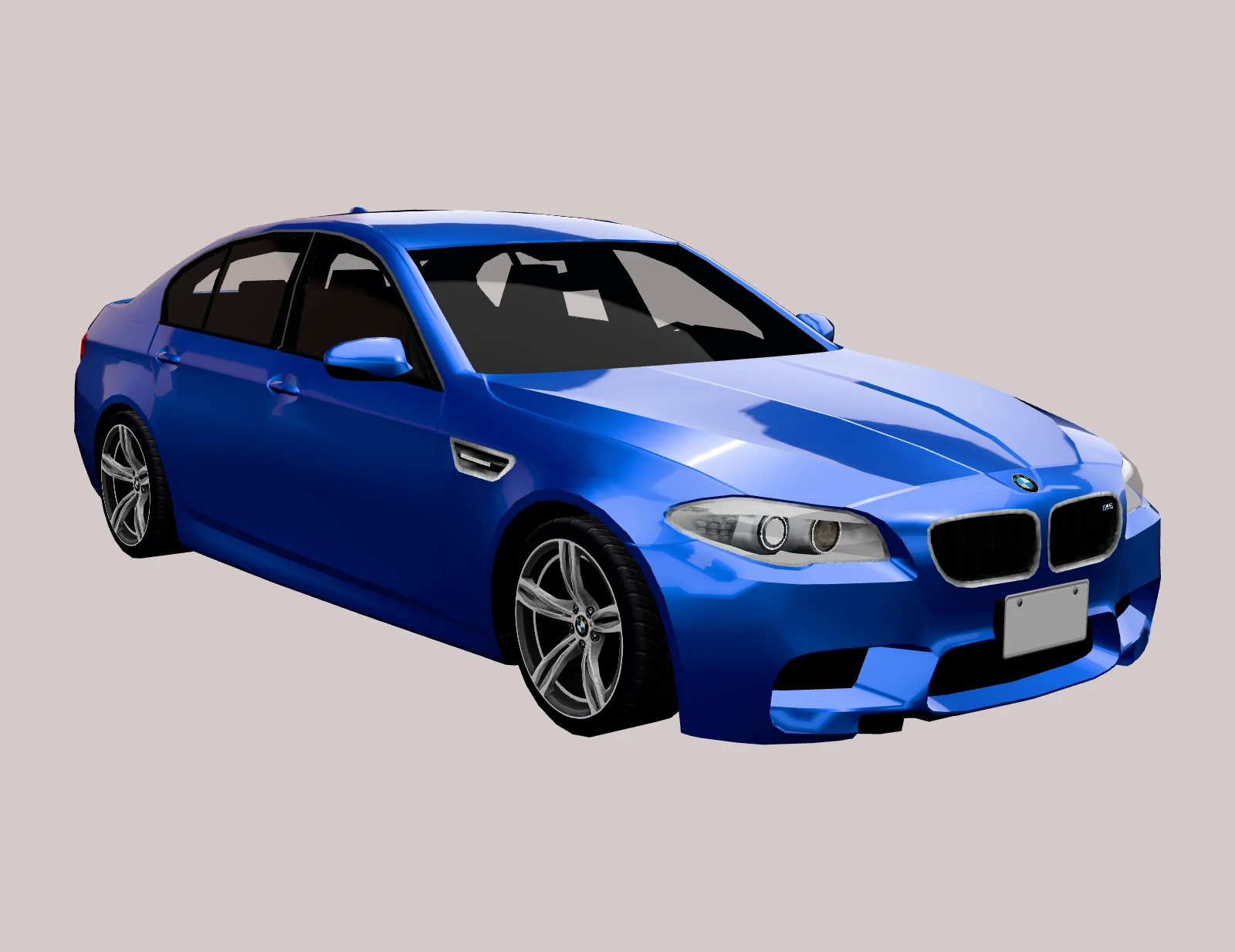 View in 3D
On this page
The BMW M5 F10 is the fifth-generation M5 and the first one with turbocharging. Built from 2011 to 2016, it replaced the high-revving V10 of the E60 with a 4.4-litre twin-turbo V8 producing 560 hp and 680 Nm, while keeping rear-wheel drive.
In this guide we look at where the BMW M5 F10 came from, how the S63 engine and chassis work, the Competition Package and limited editions, its performance and design, and the full specifications.
Where the BMW M5 F10 came from
The BMW M5 has always been the super saloon that combines the comfort of a 5 Series with the performance of a sports car. Its predecessor, the E60 M5, used a high-revving V10 engine inspired by Formula 1, but it was thirsty and needed high engine speeds to deliver its power.
For the fifth generation, BMW M chose a different path. The M5 F10 was presented in 2011 and went on sale later that year. It was the first M5 with a turbocharged engine: a 4.4-litre twin-turbo V8 with much more torque than the V10, together with lower fuel consumption.
The F10 M5 is based on the F10 5 Series saloon and was built at the BMW plant in Dingolfing, Germany. It was produced until 2016, when BMW prepared the arrival of the next generation. The F90 M5, presented in 2017, kept the twin-turbo V8 and added M xDrive all-wheel drive.
Our article on BMW M5 generations explains how the M5 developed from the E28 to the latest G90. For a direct comparison with the previous model, read our article on the M5 E60 vs F10.
The S63 twin-turbo V8
The heart of the F10 M5 is the S63, a 4.4-litre V8 with two twin-scroll turbochargers placed inside the V between the cylinder banks. BMW calls this layout hot V. The exhaust paths are short, so the turbochargers respond quickly to the accelerator.
In standard form, the engine produces 560 hp (412 kW) between 6,000 and 7,000 rpm and 680 Nm of torque from 1,500 rpm up to 5,750 rpm. Compared with the 507 hp V10 of the E60 M5, the V8 has around 160 Nm more torque, available at much lower engine speeds.
The S63 in the M5 uses Valvetronic variable valve lift, double VANOS and a cross-bank exhaust manifold. It has a cooling system with several radiators and an oil supply designed for high cornering forces on the track.
Turbocharging changed the character of the M5. Instead of revving to 8,250 rpm like the V10, the V8 pulls strongly from low speeds and makes the car feel effortlessly fast in every gear. Our article on the BMW S63 engine explains the development of this V8.
Gearbox, chassis and brakes
In most markets, the F10 M5 has a seven-speed M double-clutch transmission with Drivelogic. It replaced the SMG III gearbox of the E60 and changes gear smoothly in traffic and very quickly in sporty driving. In North America, a six-speed manual gearbox was also offered. Our article comparing manual, SMG, DCT and Steptronic gearboxes explains the differences.
Power goes to the rear wheels only, through the Active M Differential, an electronically controlled limited-slip differential that can lock the rear axle progressively. Our article on the BMW Active M Differential explains how it works.
The chassis has M-specific suspension with wider tracks, stiffer mounts, adaptive M dampers and M Servotronic steering. The driver can adjust the engine, gearbox, dampers and steering and store two favourite set-ups on the M Drive buttons on the steering wheel.
The standard M compound brakes are large and powerful. BMW also offered M carbon ceramic brakes as an option, recognisable by their gold callipers. Our article on BMW carbon ceramic brakes explains their pros and cons.
Competition Package, 30 Jahre M5 and Competition Edition
BMW improved the F10 M5 several times during its life:
- Competition Package (from 2013): 575 hp, a sharper suspension set-up, quicker steering, a sports exhaust with black tailpipes and special wheels.
- 30 Jahre M5 (2014): a limited edition of 300 cars celebrating 30 years of the M5, with 600 hp, 700 Nm, special paint and interior details. It was one of the fastest F10 M5 models.
- Competition Edition (2016): a limited series near the end of production, also with 600 hp and special colours and details.
The Competition Package became very popular, and many buyers today look for cars with it. The limited editions are rare and of interest to collectors.
When a seller claims a car has the Competition Package or is a limited edition, check the vehicle documents and equipment carefully. The vehicle identification number and the factory options list help confirm the specification. Our article on how to read a BMW VIN explains where to find this information.
Performance on the road
According to BMW, the standard F10 M5 with M DCT reaches 100 km/h in about 4.4 seconds. The 600 hp limited editions are quicker. Top speed is electronically limited to 250 km/h, or 305 km/h with the optional M Driver's Package.
These numbers are impressive for a four-door saloon that weighs about 1.85 tonnes. The real strength of the F10 M5, however, is how easily it delivers its performance. The huge torque from low engine speeds makes overtaking effortless, and the car feels relaxed at high motorway speeds.
On winding roads, the F10 M5 is precise and stable, but it is a large and heavy car. With rear-wheel drive and lots of torque, it needs a careful right foot in wet conditions, and the stability control is a welcome safety net. Our article on BMW DSC, DTC and M Dynamic Mode explains the different stability settings.
Our article on the BMW M Driver's Package explains the higher top speed and the driver training that comes with it.
Design and interior
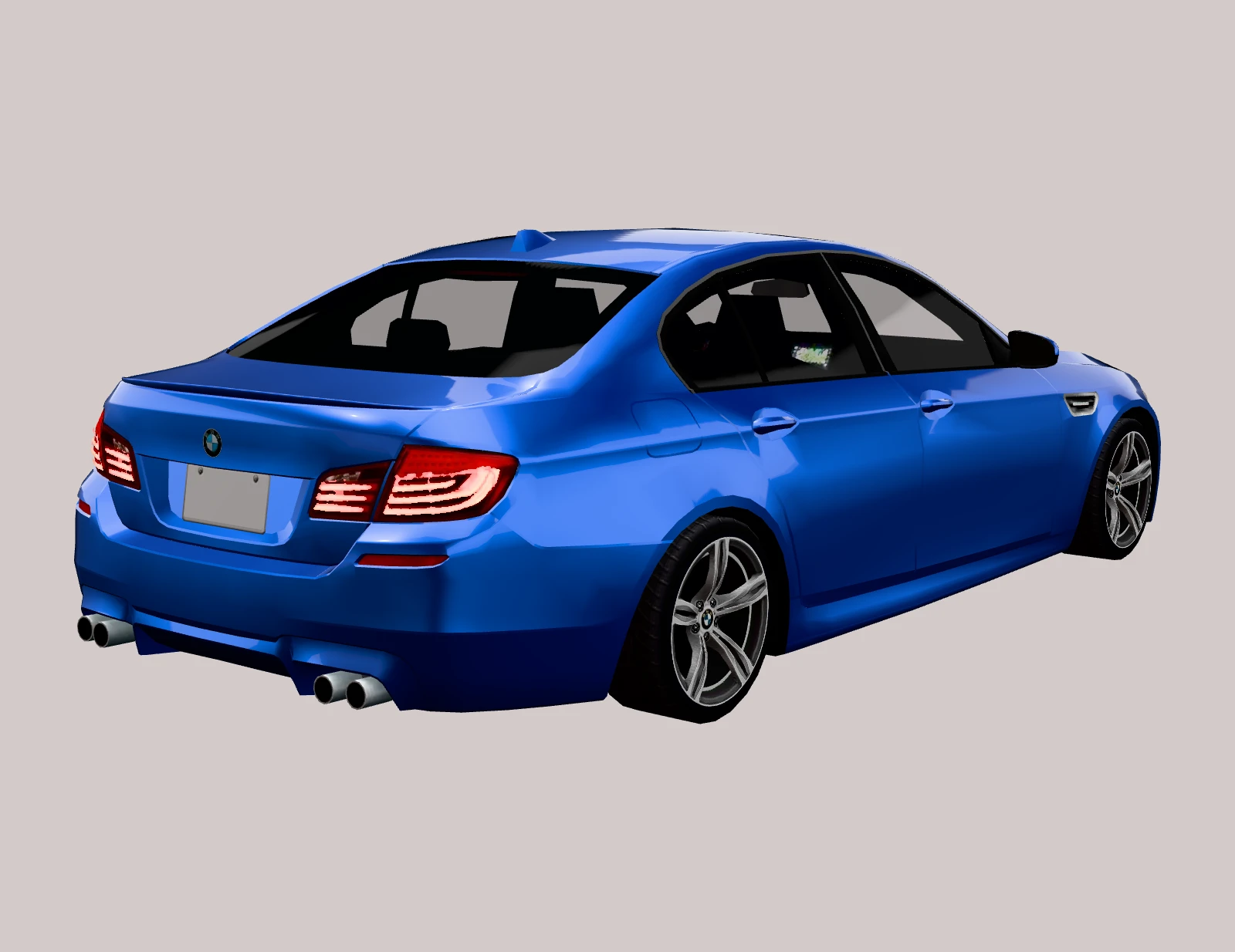
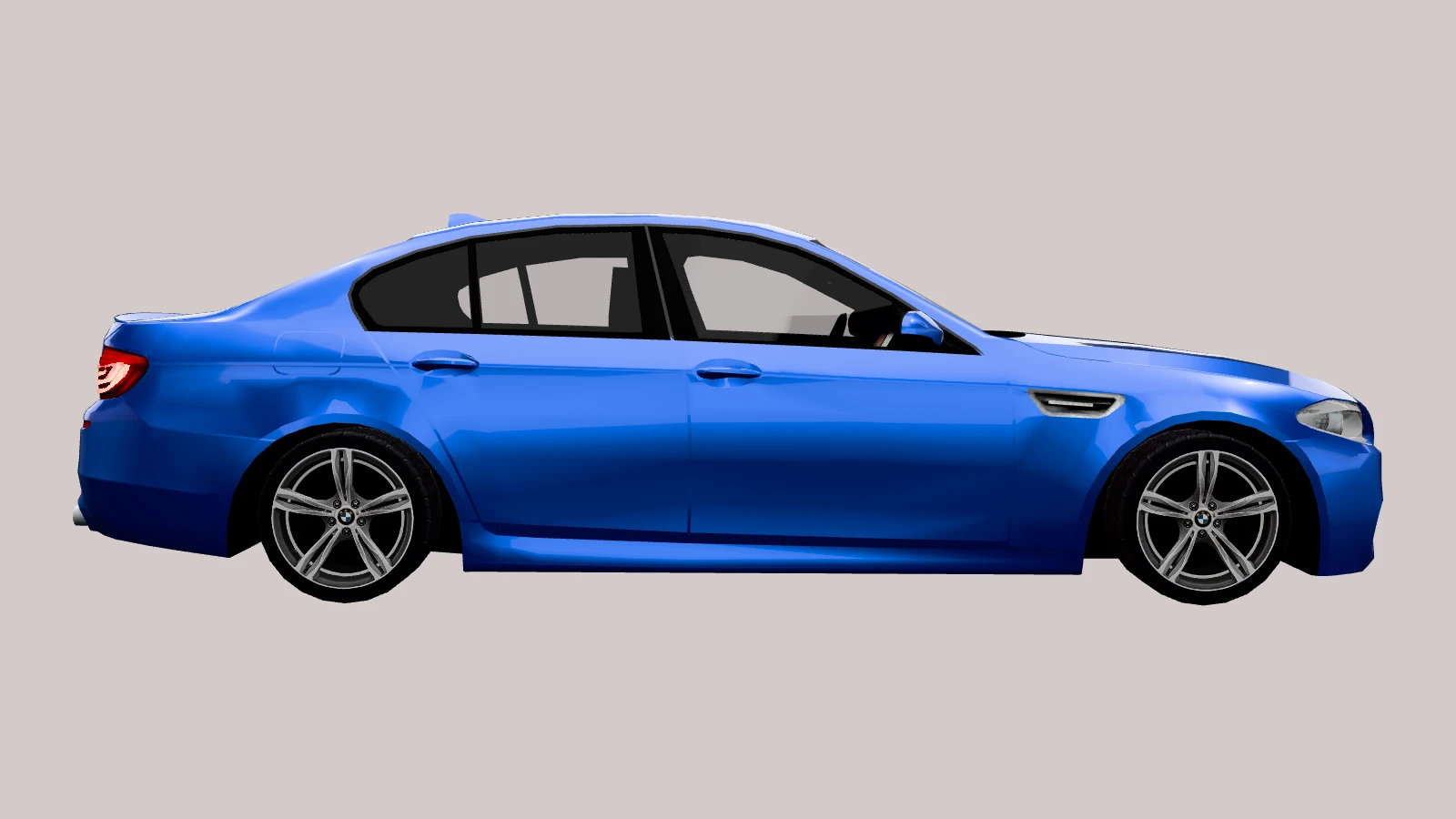
Like every M5, the F10 looks almost like a normal 5 Series at first glance. BMW M added a front bumper with large air intakes, M side gills with indicators, M mirrors, a discreet boot lid spoiler and a rear diffuser with four exhaust tailpipes. The standard wheels were 19-inch, with 20-inch wheels available.
The 2013 facelift brought new headlights with LED technology, small styling changes and an updated iDrive system. From the outside, a well-specified F10 M5 still looks modern today.
Inside, the M5 offers M sport seats, the M leather steering wheel with M Drive buttons, M instruments with a variable redline, and a high-quality leather interior. Many cars have a head-up display, soft-close doors, ventilated seats, a Bang & Olufsen sound system and other luxury options.
With four doors, a large boot and space for five people, the F10 M5 is as practical as a normal 5 Series. This mix of everyday comfort and high performance is exactly what the M5 has always stood for.
Living with an M5 F10 today
The F10 M5 is now an affordable way into a twin-turbo V8 M car, but it is not a cheap car to run. Fuel consumption is high in fast driving, and tyres, brakes and servicing cost more than for a normal 5 Series.
The S63 engine needs careful maintenance. Regular oil changes with the correct oil, attention to cooling and checks for oil leaks are important. Software updates and service measures from BMW should be completed.
Before buying, read our F10 M5 buying guide, which explains the main checks in detail, from the engine and M DCT gearbox to the brakes, suspension and electronics. A pre-purchase inspection by an M specialist is strongly recommended.
Our article on BMW M car running costs explains how to plan a realistic budget, and an extended warranty can be worth considering for a used M5.
The F10 M5 and its place in M history
The F10 M5 is an important car in the history of BMW M. It was the first M5 with turbocharging, and it showed that a turbo engine could deliver the performance and character that M customers expect. Every M5 since then has followed the same basic recipe, with a twin-turbo V8 at its heart.
It was also the last M5 with rear-wheel drive only. The F90 M5 introduced M xDrive all-wheel drive, with a rear-wheel drive mode for experienced drivers. For many enthusiasts, the F10 is therefore the last classic M5: a powerful saloon that sends everything to the rear wheels.
Today, the F10 M5 is a lot of performance for the money. Cars with the Competition Package, the limited editions and well-documented examples in original condition are the most desirable.
For drivers who want a fast, comfortable and practical saloon with a strong V8 and rear-wheel drive, the F10 M5 remains one of the most interesting M cars of the last decades.
BMW M5 F10 specifications
| Specification | Value |
|---|---|
| Model | BMW M5 (F10) |
| Production | 2011–2016; facelift 2013 |
| Built in | BMW plant Dingolfing, Germany |
| Body | 4-door saloon |
| Engine | S63 4.4-litre V8, two twin-scroll turbochargers |
| Power | 560 hp (412 kW) at 6,000–7,000 rpm |
| Torque | 680 Nm at 1,500–5,750 rpm |
| Competition Package | 575 hp (from 2013) |
| Limited editions | 30 Jahre M5 (2014) and Competition Edition (2016), 600 hp |
| Gearbox | 7-speed M DCT; 6-speed manual in North America |
| Drive | Rear-wheel drive, Active M Differential |
| 0–100 km/h | About 4.4 s (M DCT, standard car) |
| Top speed | 250 km/h limited; 305 km/h with M Driver's Package |
| Weight | About 1.85 tonnes (DIN, depending on equipment) |
| Brakes | M compound brakes; M carbon ceramic brakes optional |
| Predecessor / successor | M5 E60 (V10) / M5 F90 (from 2017) |
Frequently asked questions
How much horsepower does the BMW M5 F10 have?
The standard F10 M5 has 560 hp (412 kW) and 680 Nm. The Competition Package raised the power to 575 hp, and the 30 Jahre M5 and Competition Edition had 600 hp.
Is the BMW M5 F10 turbocharged?
Yes. The F10 was the first M5 with turbocharging. It uses the S63, a 4.4-litre V8 with two twin-scroll turbochargers.
How fast is the BMW M5 F10?
BMW quotes about 4.4 seconds from 0 to 100 km/h for the standard car with M DCT. Top speed is limited to 250 km/h, or 305 km/h with the M Driver's Package.
Is the M5 F10 rear-wheel drive?
Yes. The F10 M5 sends its power to the rear wheels only, through the Active M Differential. It was the last M5 without all-wheel drive.
Was there a manual BMW M5 F10?
Yes, in North America a six-speed manual gearbox was offered. In most other markets the M5 had the seven-speed M DCT.
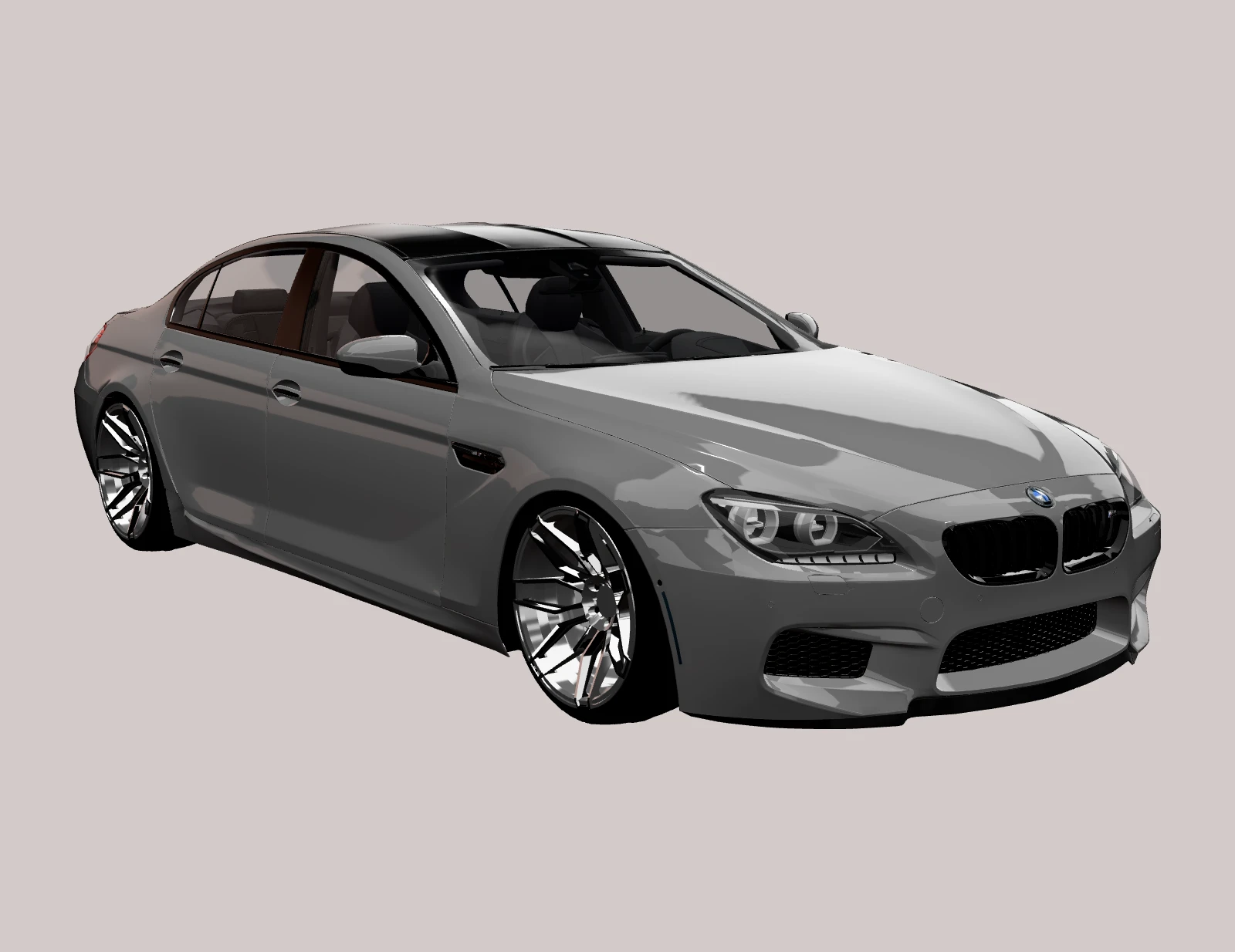
Is the 3D car on this site an official BMW model?
No. The 3D car is a creative model for this site and not an official BMW file, so small details may differ from the real car. All facts in the text refer to the real BMW M5 F10.
Sources
- BMW Group PressClub – BMW M5 (F10) press kits
- BMW M – history of the BMW M5
- BMW Group Classic – model information
- BMW M5 (F10) owner's handbook and technical data
Related posts
 M6 Gran CoupéBimmer Garage19 Oct 2026
BMW M6 Gran Coupé F06: the four-door M6, V8 specs and buying guide
The BMW M6 Gran Coupé F06 was the first four-door M6: the 560 hp twin-turbo V8 of the M5 in an elegant coupé body. Its history, engine, performance, specs and a buying guide.
089 min read
 Buying guidesBimmer Garage19 Oct 2026
BMW E53 X5 buying guide: the original BMW SUV
The E53 X5 was the first BMW SUV and is now an affordable modern classic. This buying guide covers the engines, all-wheel drive, the 2004 facelift, common issues and what to check before buying.
065 min read
Buying guidesBimmer Garage19 Oct 2026
BMW E84 X1 buying guide: the first X1 explained
The E84 X1 was the first BMW X1 and the last with a rear-wheel drive layout. This guide covers the engines, sDrive and xDrive versions, the facelift, common issues and what to check before buying.
024 min read
Buying guidesBimmer Garage19 Oct 2026
BMW E83 X3 buying guide: the first X3 explained
The E83 X3 was BMW's first compact SUV. This buying guide covers its petrol and diesel engines, xDrive, the 2006 facelift, common issues and what to check before you buy.
004 min read
Comments 0
Join the conversation — be kind, no links.
Loading comments…