
Your first track day in a BMW: a complete beginner's guide
A track day is the safest and most rewarding place to explore what your BMW can do. How to choose an event, prepare the car, what to bring, the rules and what to do afterwards.
1 view 1 reading now 0 comments 6 min read
On this page
Your first track day in a BMW is one of the best experiences an enthusiast can have. BMW M cars and many other BMWs are designed to be driven fast, and a race track is the safe, legal place to do it, with run-off areas, marshals and no oncoming traffic.
In this beginner's guide we explain how to choose a track day, prepare your car, what to bring, the most important rules and flags, and what to check after the day.
Why plan a first track day in a BMW?
Public roads are not the place to explore the limits of a powerful car. Traffic, pedestrians, speed limits and unexpected obstacles make high speeds dangerous. A race track removes these risks.
On a track day you drive on a closed circuit with other cars going in the same direction, with safety marshals, run-off areas and clear rules. You can learn how your car behaves under hard braking, in fast corners and at the limit of grip, in a controlled environment.
Many drivers are surprised how much they learn in one day. You become a smoother, safer driver, and you understand your car much better.
For BMW owners, a track day is also a way to experience what the engineers built the car for. Many M cars were developed and tested on circuits such as the Nürburgring.
Choosing the right event
Not all track days are the same. For your first one, choose carefully:
- Beginner or novice sessions. Many organisers have groups for first-time drivers, with fewer cars and more space.
- Instruction. An event with instructors, or the option of an instructor in the passenger seat, is extremely valuable. Learning the correct line and braking points from the start saves time and makes you safer.
- Driver training. BMW and other organisers offer driver training programs, which are an excellent first step.
- The circuit. A smaller, simpler circuit with good run-off areas is easier for beginners than a long, fast one.
- Noise limits. Many circuits have noise limits. Check that your car is within the limit, especially if it has an aftermarket exhaust.
Read the event rules, check what is included in the price and book early, because good events fill up quickly.
Preparing your BMW
A well-prepared car is safer and more fun. Check these points before the event, ideally a week or two before, so you have time to fix any problems:
- Brakes. Pads with plenty of material left, discs in good condition and fresh brake fluid. Many drivers use a high-temperature fluid for track use.
- Tyres. Good tread, no damage and the same type on each axle. Check the tyre pressures before and during the day, because they rise with heat.
- Fluids. Engine oil at the correct level, coolant and brake fluid topped up. Fix any leaks.
- Wheels. Check that the wheel bolts are torqued correctly.
- Interior. Remove all loose items from the cabin and the boot, because they can fly around under hard braking.
- General condition. No warning lights, no loose parts, working seat belts.
Many organisers carry out a short technical check at the start of the day. A clean, well-prepared car makes a good impression.
What to bring
A good list helps you enjoy the day without stress:
- Driving licence and the documents required by the organiser.
- A helmet that meets the required standard, if not provided.
- Comfortable clothing with long sleeves and closed shoes with thin soles.
- A tyre pressure gauge and, if possible, a small compressor.
- Spare engine oil of the correct type and a funnel.
- Basic tools and a torque wrench for the wheel bolts.
- Water, food and sun protection, because a track day is long and tiring.
- A notebook, to write down tyre pressures and what you learned.
Also check your insurance. Normal car insurance usually does not cover track days. Many organisers and specialist insurers offer track day insurance.
Rules, flags and etiquette
Every event begins with a driver briefing. Listen carefully: it explains the circuit, the overtaking rules and the flags.
The most important flags are:
- Yellow: danger ahead. Slow down, no overtaking.
- Red: the session is stopped. Slow down and return to the pit lane carefully.
- Blue: a faster car is behind you. Let it pass at the agreed place.
- Black: you must return to the pit lane, usually because of a problem with your car or your driving.
- Chequered: the session is over. Do a slow cool-down lap and return to the pits.
Overtaking is usually only allowed on straights and with the permission of the car in front, often by an indicator signal. Always respect other drivers, leave space and never take risks to defend your position. A track day is not a race.
Driving tips for your first sessions
Start slowly. Use the first laps to learn the circuit: where the corners go, where the braking points are and where the run-off areas are. Speed will come naturally.
Focus on being smooth. Brake in a straight line, turn in calmly and accelerate progressively out of the corners. Smooth driving is fast driving, and it is much easier on the car.
Look far ahead. Your hands follow your eyes, so look where you want to go, through the corner to the exit.
Take breaks. Driving on track is physically and mentally tiring. A tired driver makes mistakes, so rest between sessions, drink water and let the car cool down.
After each session, do a cool-down lap at moderate speed, and do not pull the handbrake on hot brakes in the pit lane.
After the track day
When you get home, give your car some attention:
- Check the brakes. Look at the pad thickness and the discs. Track days use brakes much faster than the road.
- Check the brake fluid and consider bleeding or changing it, especially if the pedal felt soft.
- Check the tyres for wear and damage, and reset the pressures to the normal road values.
- Check the oil level and look for leaks.
- Clean the wheels, because brake dust from hard use can be aggressive.
Write down what you learned and what you want to improve next time. Most people who try one track day want to do another. It is the best way to become a better driver and to enjoy your BMW the way it was designed to be enjoyed.
Track day checklist
| Item | Details |
|---|---|
| Choose | Beginner group, instructor, simple circuit, noise limits |
| Brakes | Good pads and discs, fresh high-temperature fluid |
| Tyres | Good condition, check pressures during the day |
| Fluids | Oil, coolant and brake fluid at the correct level |
| Interior | Remove all loose items |
| Bring | Licence, helmet, gauge, oil, tools, water |
| Insurance | Check track day cover |
| Afterwards | Check brakes, fluid, tyres and oil |
Frequently asked questions
Can I take a normal BMW on a track day?
Yes. Many track days welcome normal road cars. Make sure the car is in good condition, especially the brakes, tyres and fluids, and check the noise limit of the circuit.
Do I need special insurance for a track day?
Usually yes. Normal car insurance often does not cover track use. Many organisers and specialist insurers offer track day insurance.
Do I need a helmet for a track day?
Most track days require a helmet that meets a certain standard. Some organisers lend helmets; check the event rules before you go.
Is a track day bad for my car?
A track day puts more load on the brakes, tyres and fluids than normal driving. A well-maintained car handles it well, but you should check the brakes, tyres and fluids before and after.
What is the most important tip for a first track day?
Start slowly, learn the circuit, focus on being smooth and take an instructor if possible. A track day is about learning, not about racing.
Sources
- BMW Driving Experience – driver training programs
- BMW owner's handbooks – advice for driving on race tracks
Related posts
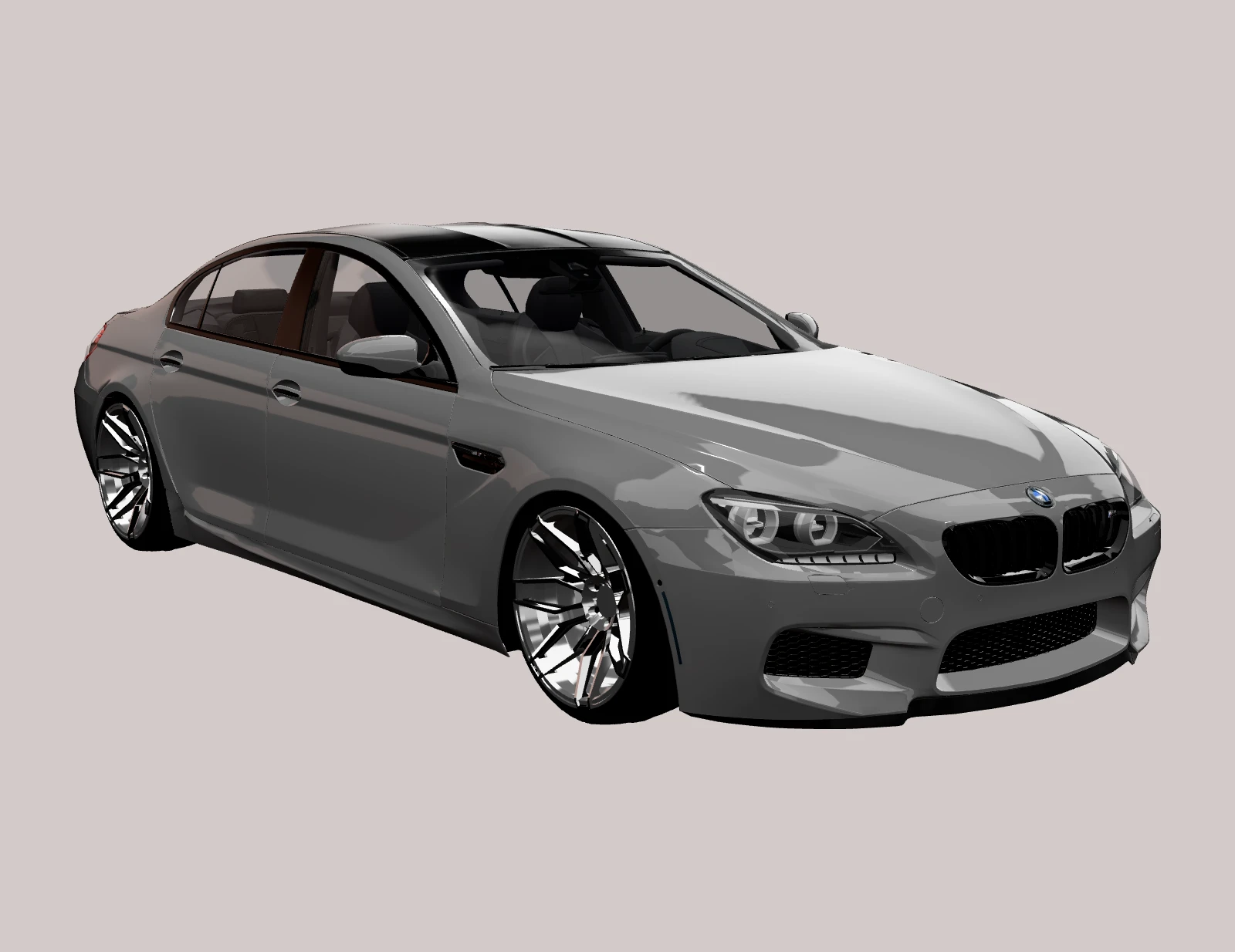
 M6 Gran CoupéBimmer Garage19 Oct 2026
BMW M6 Gran Coupé F06: the four-door M6, V8 specs and buying guide
The BMW M6 Gran Coupé F06 was the first four-door M6: the 560 hp twin-turbo V8 of the M5 in an elegant coupé body. Its history, engine, performance, specs and a buying guide.
089 min read
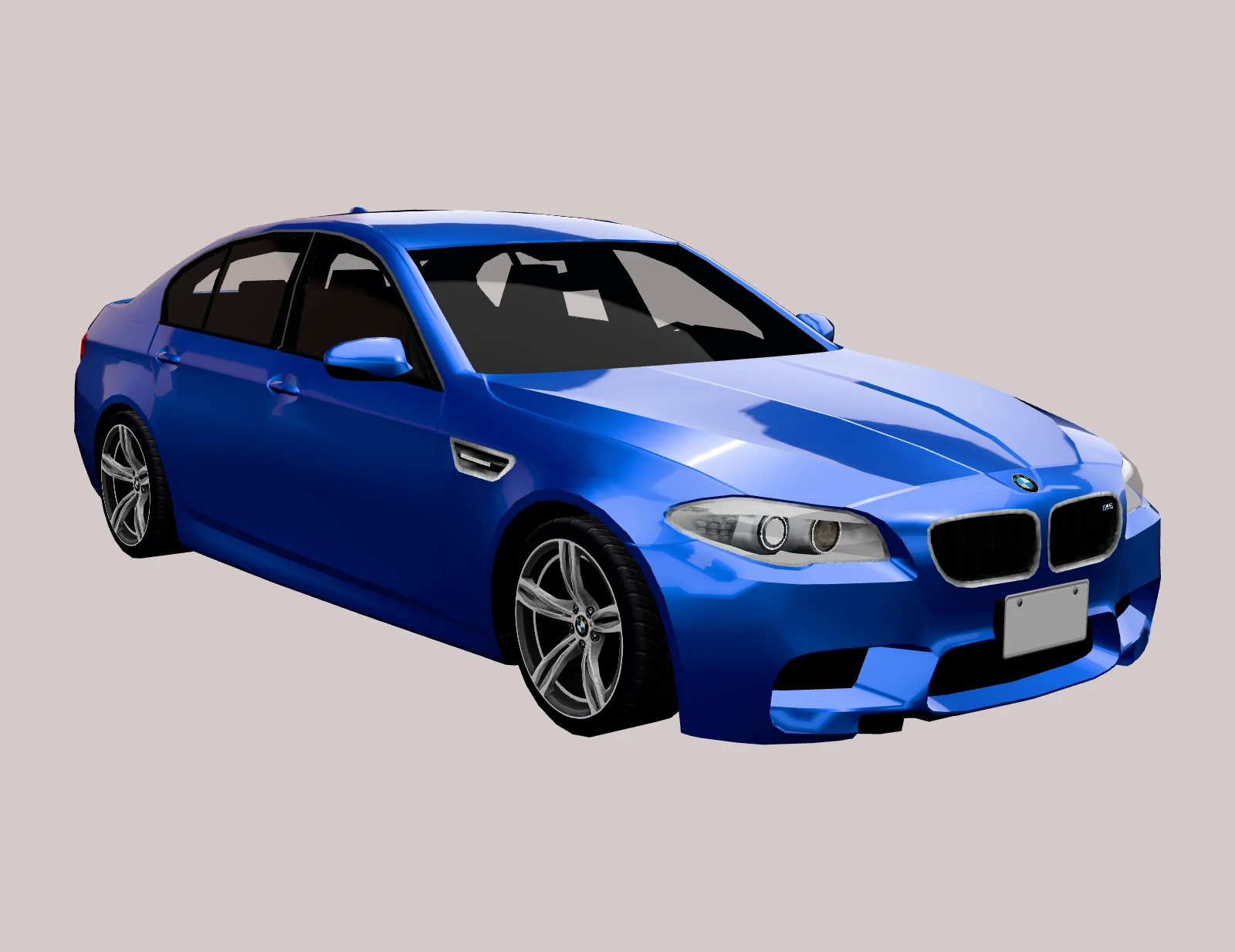
 M5 F10Bimmer Garage19 Oct 2026
BMW M5 F10: history, S63 V8, Competition Package, 30 Jahre and specs
The BMW M5 F10 was the first M5 with turbocharging: a 560 hp twin-turbo V8, M DCT and rear-wheel drive. Its history, engine, special editions, performance and full specifications.
0129 min read
Comments 0
Join the conversation — be kind, no links.
Loading comments…