
BMW M2 G87 with ADRO carbon aero kit: splitter, diffuser, wing and what they do
A 2023 BMW M2 G87 with a carbon fibre aero kit from ADRO: what is in the kit, how splitter, diffuser and wing work, carbon fibre quality, fitting, track use, care, road rules and whether it is worth it.
2 views 1 reading now 0 comments 10 min read
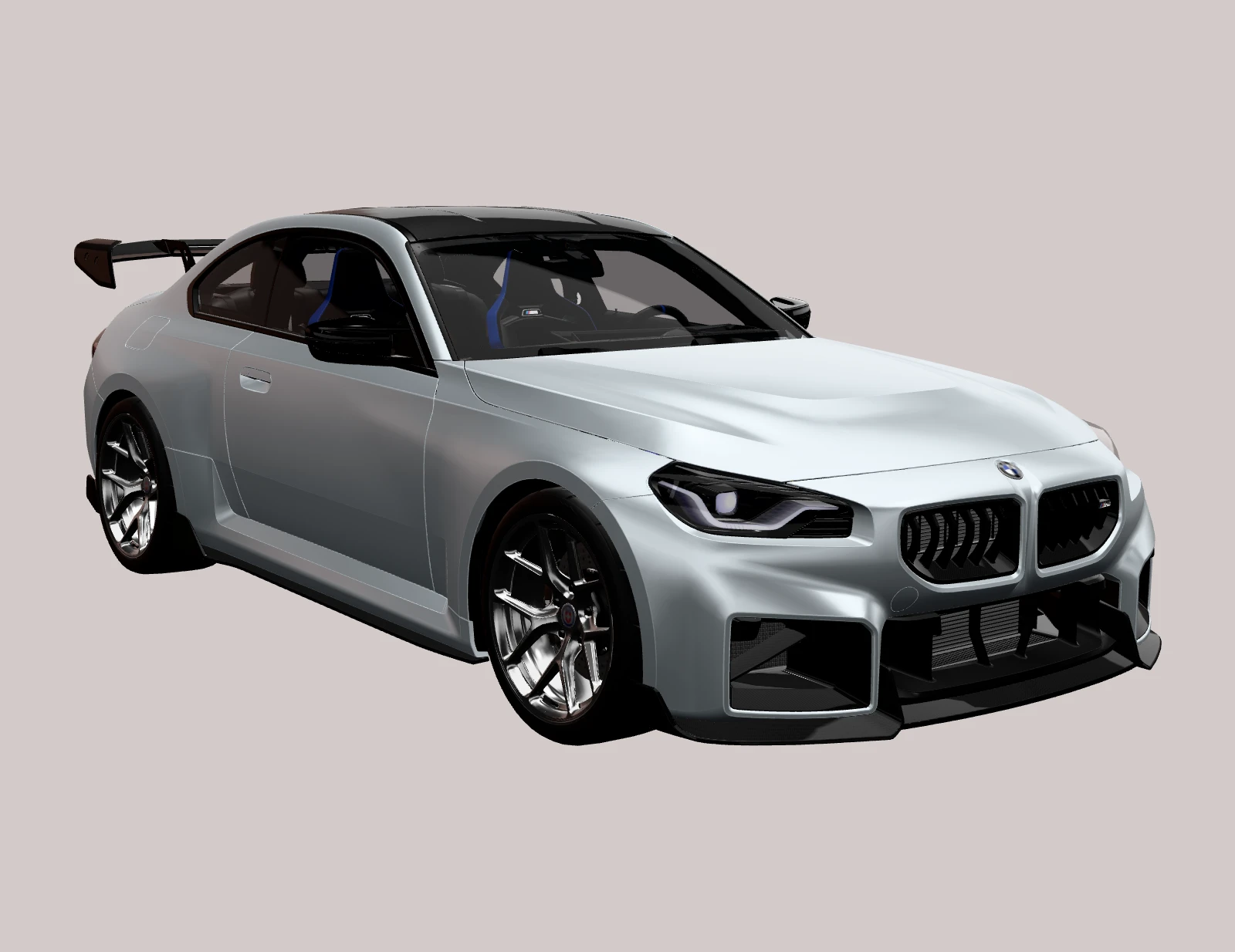 View in 3D
On this page
The car on this page is a 2023 BMW M2 G87 with a carbon fibre aero kit from ADRO. A front lip, side skirts, a rear diffuser and a rear wing in exposed carbon give the second-generation M2 a race-car look, while the S58 straight-six and rear-wheel drive stay as BMW built them.
In this guide we explain what is in the kit, how downforce and drag work, what makes good carbon fibre, how the parts are fitted, what changes on the road and the track, how to look after carbon, the road rules and whether an aero kit is worth it.
An M2 G87 with an ADRO carbon aero kit
The car on this page is a 2023 BMW M2 G87 with a carbon fibre aero kit from ADRO. ADRO is an aftermarket brand known for aero parts for performance cars, including several BMW M models. The brand says it develops its parts with computational fluid dynamics (CFD), a computer simulation of how air flows around the car.
The M2 G87 is a popular base for this kind of kit. Its square, upright front, wide wheel arches and short rear give it a strong shape, and carbon parts emphasise these lines. Under the kit, the car is a normal M2 with the S58 twin-turbo straight-six, rear-wheel drive and a manual or automatic gearbox.
This article is about the aero kit and carbon fibre parts, not about the standard car. For the history, engine and specifications of the M2 G87, read our BMW M2 G87 guide. If you want to compare it with the first M2, our article on the M2 F87 vs M2 G87 explains the differences.
Kits and part names can change over time, so always check the current parts list with an official dealer before you order.
What is in the kit
An aero kit like this one for the M2 G87 usually consists of several parts that can also be bought separately:
- Front lip or splitter under the front bumper. It sits low and reaches forward, which helps to reduce the air flowing under the car.
- Side skirts that extend the sills and guide the air along the sides of the car.
- Rear diffuser under the rear bumper, with vertical fins that help the air leave the underbody smoothly.
- Rear wing or spoiler on the boot lid, which adds downforce at the rear and balances the front parts.
Many owners start with one or two parts, often the front lip and the rear wing, and add the rest later. Because the parts are designed to work together, the full kit gives the most balanced look and airflow.
Most of these parts are mounted to the existing bumpers and sills with screws, clips or brackets, so the original body panels do not have to be cut. This makes it possible to return the car to standard later, which is important for the value of a modern M car.
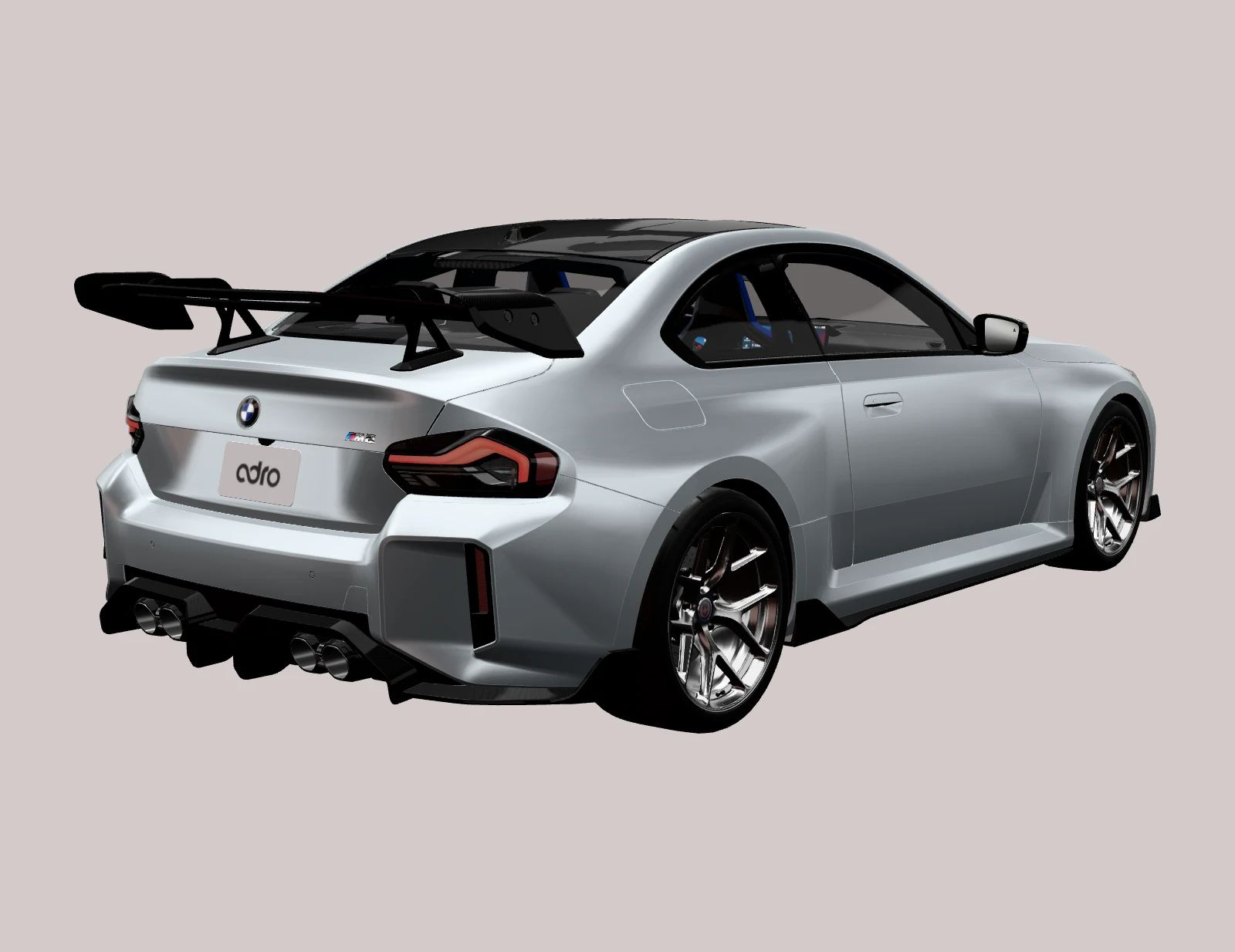
How aero parts work: downforce and drag
Aerodynamics is about two forces. Downforce pushes the car onto the road and gives the tyres more grip at speed. Drag is the resistance of the air, which slows the car and increases fuel consumption.
A front splitter creates an area of high pressure on its upper side and helps to reduce the amount of air flowing under the car. Less air under the car means less lift at the front. A rear diffuser lets the air under the car expand and slow down as it leaves, which lowers the pressure under the car and adds downforce. A rear wing works like an upside-down aircraft wing and pushes the rear axle down.
The front and rear must be balanced. Too much downforce at the front makes the car unstable at the rear at high speed, and too much at the rear makes it push wide in fast corners.
At normal road speeds, the effect of aero parts is small, because downforce grows with the square of the speed. On a fast track, a well-designed kit can make a real difference. On the road, the main benefit is often the look, and that is perfectly fine as long as the parts are of good quality.
Carbon fibre: what it is and why it costs more
Carbon fibre is made of very thin fibres of carbon woven into a fabric and set in resin. It is very strong and stiff for its weight, which is why it is used in racing cars, aircraft and the roof of many M cars.
There are different ways to make carbon parts:
- Pre-preg carbon uses fabric that is already impregnated with resin. The parts are cured under heat and pressure, often in an autoclave. They are light, strong and have very few air bubbles.
- Wet lay-up means the resin is applied by hand. It is cheaper, but the parts are usually heavier and the quality depends on the workshop.
- Forged carbon uses short chopped fibres pressed in a mould, which creates a marble-like pattern.
Look at the weave of a carbon part: it should be straight and even, without dry spots, bubbles or waves. The clear coat should be thick and smooth.
Quality carbon parts are expensive because of the materials, the moulds and the long manual work. Cheap copies may look similar on photos, but they often fit badly, fade in the sun and crack more easily.
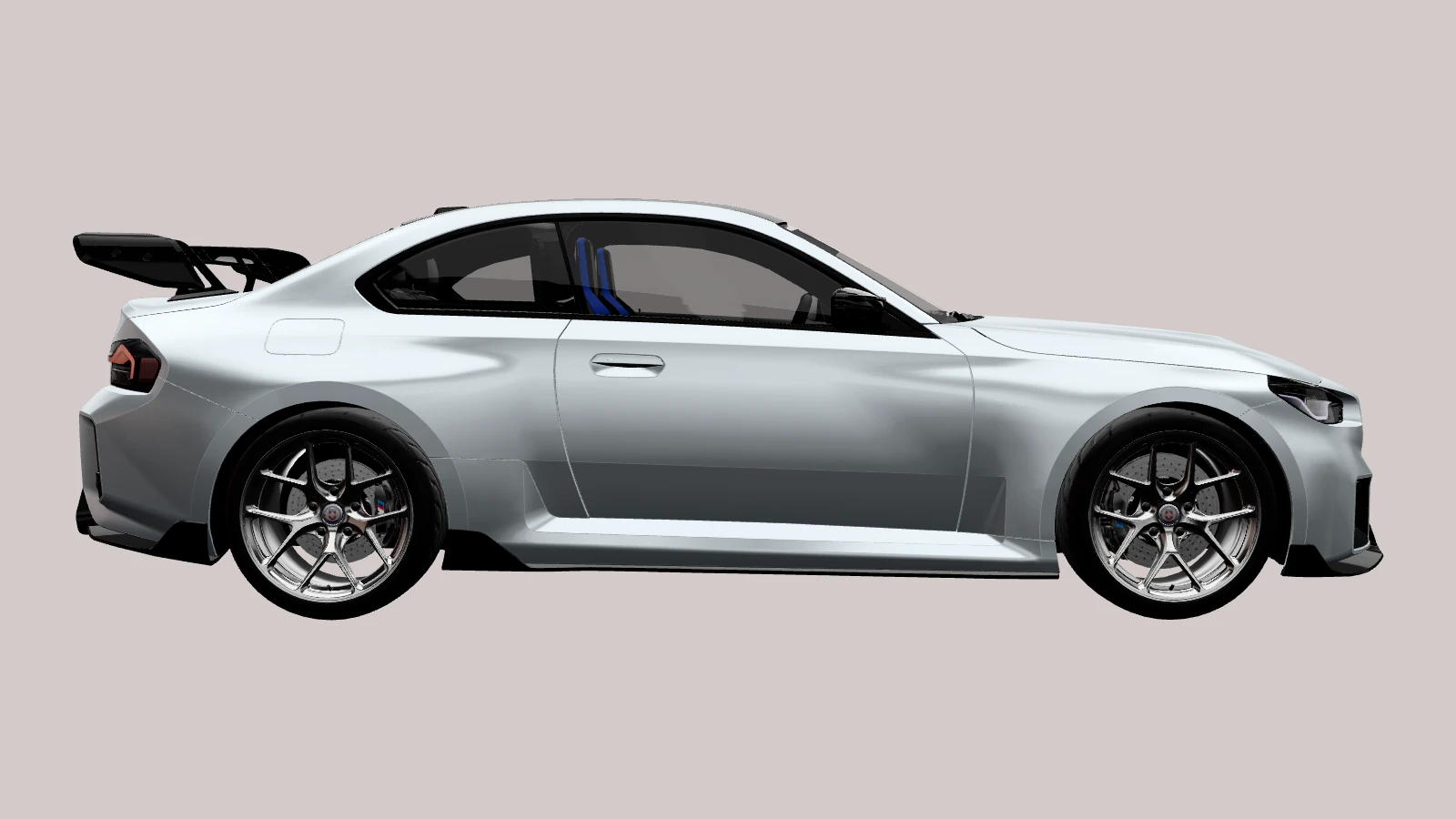
Fitting the kit on an M2 G87
Most parts of an aero kit can be fitted by an experienced owner, but a body shop or tuning workshop will do the job faster and with less risk of damage to the paint.
Before fitting, check every part for damage from shipping and compare it with the car. Test-fit each part without fixing it, and check the gaps to the bumper and the body. Good parts should fit closely with only small adjustments.
When the parts are mounted, use the screws, brackets and clips supplied with the kit. Where adhesive tape is used, clean the surface carefully first. Do not overtighten the screws, because carbon fibre can crack under local pressure.
A rear wing is the part that needs the most care. Depending on the design, it may be bolted through the boot lid, which means drilling holes in the body. Seal the holes properly against water and rust, and check that the wing is strong enough to stay stable at high speed.
After fitting, check the ground clearance of the front lip and the side skirts, especially if the car has been lowered. Our article on BMW M Performance Parts explains the official carbon parts from BMW as an alternative.
On the road and on the track
With a front splitter and side skirts, the M2 sits visually lower and needs more care on speed bumps, steep driveways and kerbs. Drive slowly and at an angle over ramps, and remember that a carbon splitter is more expensive to replace than a plastic one.
On the track, a balanced aero kit can make the M2 more stable in fast corners and under braking. The effect depends on the speed, the set-up of the suspension and the tyres. If the car will be used on the track regularly, a professional alignment and, if needed, a suspension set-up adapted to the new balance are recommended. Our articles on BMW wheel alignment and on your first track day in a BMW explain the basics.
Check the parts after every track day: screws can work loose, and stone chips or contact with kerbs can damage the edges of the splitter and the side skirts.
Remember that a rear wing changes the view through the rear window and can increase fuel consumption at motorway speeds. For daily use, many owners choose a smaller ducktail spoiler instead of a large wing.
Care, protection and road rules
Carbon fibre parts have a clear coat that protects the resin from sunlight. Without good care, the clear coat can fade and turn yellow or cloudy over the years. Wash the parts by hand, dry them with a soft cloth and use a sealant or ceramic coating with UV protection. Our article on PPF vs ceramic coating explains the options.
The front splitter and the leading edges of the side skirts get the most stone chips. Paint protection film on these areas helps to keep the carbon looking new. Avoid automatic car washes with brushes, which can catch the edges of the wing and splitter.
Rules for aero parts depend on the country. In many countries, parts must not have sharp edges, must be securely attached and must not cover the lights or number plates. A rear wing usually must not stick out beyond the width of the car. In Germany, for example, many parts need a test report or an inspection and entry in the vehicle papers.
Always tell your insurance company about modifications. Aero parts change the value of the car and the cost of repairs, and the insurer should know about them before an accident happens.
Is an aero kit worth it?
An aero kit is mainly a personal choice. If you like the look of exposed carbon and want your M2 G87 to stand out, a quality kit is one of the most visible changes you can make, and it can be removed again later.
If you mainly use the car on the track, choose parts that are designed to work together and adjust the suspension and alignment to the new balance. Single parts without a matching counterpart can upset the car at high speed.
For the best value, keep the original parts and the receipts for the kit. A well-documented, high-quality kit fitted by a professional can be attractive to the next buyer, while cheap parts usually reduce the value of the car. Many buyers of modern M cars still prefer original cars, so being able to return to standard is an advantage.
Compare the price of the kit with the official M Performance Parts and with other brands, and include fitting, painting of any non-carbon parts and protection film in your budget. Our article on BMW M car running costs helps to plan the total cost of owning a modified M car.
BMW M2 G87 ADRO specifications
| Specification | Value |
|---|---|
| Model | BMW M2 (G87) Coupé, 2023, with ADRO carbon fibre aero kit |
| Engine | S58 3.0-litre straight-six, two turbochargers |
| Power (stock, 2023) | 460 hp (338 kW) at 6,250 rpm |
| Torque (stock, 2023) | 550 Nm |
| Gearbox | 6-speed manual or 8-speed M Steptronic |
| Drive | Rear-wheel drive, Active M Differential |
| 0–100 km/h (stock) | About 4.1 s (automatic); 4.3 s (manual) |
| Weight (stock) | About 1.7 tonnes (DIN, depending on equipment) |
| Aero kit | ADRO: front lip, side skirts, rear diffuser, rear wing or spoiler |
| Material | Carbon fibre with UV-resistant clear coat |
| Development | Computer airflow simulation (CFD), according to the brand |
| Fitting | Mostly bolt-on to the original bumpers and sills; wing may need drilling |
Frequently asked questions
What is an ADRO kit for the BMW M2 G87?
It is an aftermarket aero kit made of carbon fibre. It usually includes a front lip, side skirts, a rear diffuser and a rear wing or spoiler. Parts can often be bought separately.
Does an aero kit make the M2 G87 faster?
It does not add power. At high speeds, a balanced kit can add downforce and make the car more stable on the track. At normal road speeds, the effect is small, and the main change is the look.
Do you need to cut the body to fit the kit?
Most parts are mounted to the original bumpers and sills with screws, clips or brackets. A rear wing may need holes drilled in the boot lid, depending on the design.
How do you look after carbon fibre parts?
Wash them by hand, avoid brush car washes and protect them with a sealant or ceramic coating with UV protection. Paint protection film on the front splitter and side skirts helps against stone chips.
Is an aero kit legal on the road?
It depends on the country. Parts must usually be securely attached, without sharp edges, and must not cover lights or number plates. In some countries, an inspection and an entry in the vehicle papers are required. Always inform your insurer.
Is the 3D car on this site an official model?
No. The 3D car is a creative model for this site and not an official BMW or ADRO file, so details may differ from a real car. This site is not connected with BMW or ADRO. Engine facts refer to the standard BMW M2 G87.
Sources
- BMW Group PressClub – BMW M2 (G87) press kits
- BMW M2 (G87) owner's handbook and technical data
- ADRO – product information for the BMW M2 G87
Related posts
 X5 MBimmer Garage21 Oct 2026
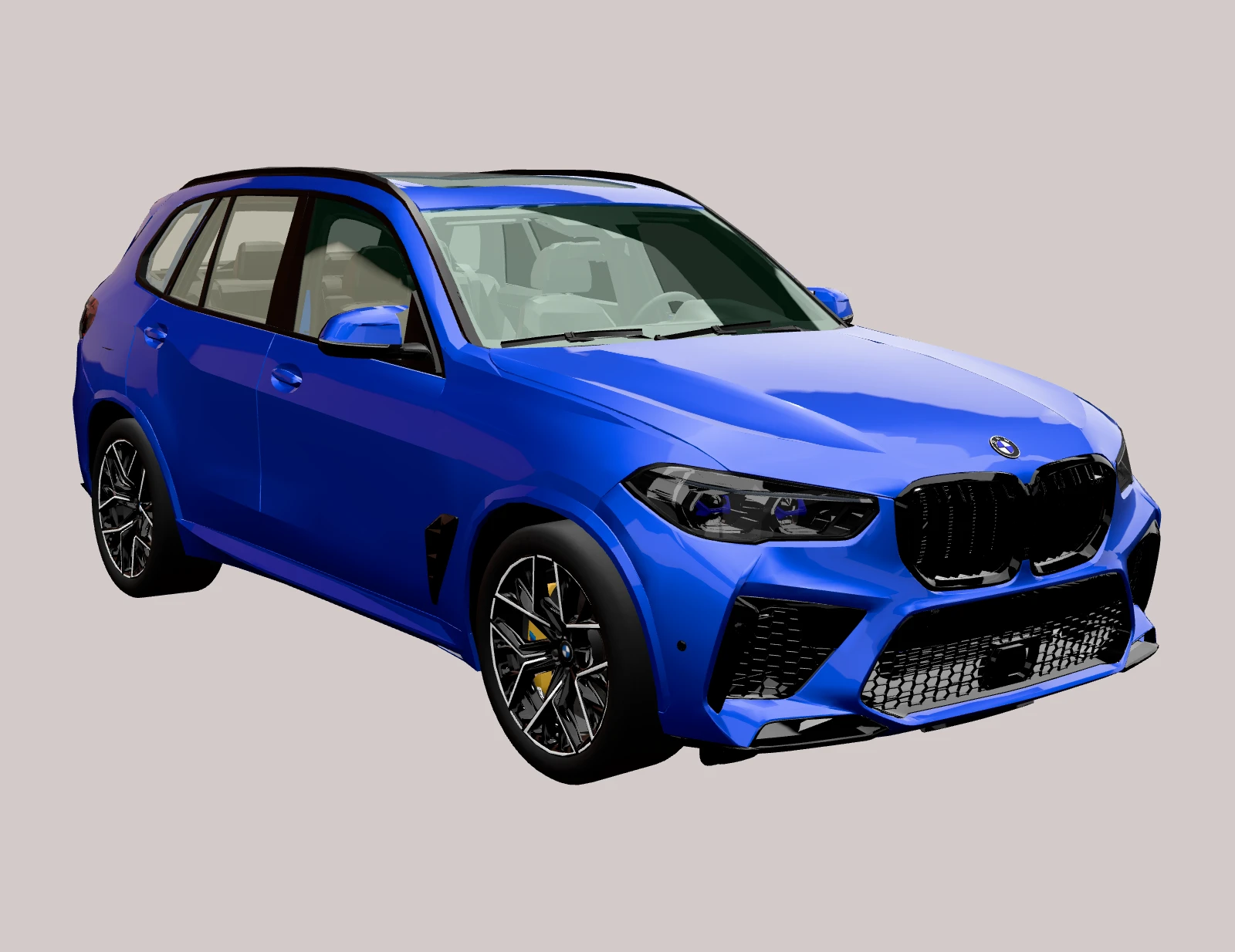
BMW X5 M F95: the 625 hp family SUV, S68 update, X6 M differences and specs
The BMW X5 M F95 is the M version of the G05 X5: a 625 hp twin-turbo V8, M xDrive and space for five. Its versions, the S68 mild hybrid update, chassis, X5 M vs X6 M, practicality, running costs and full specifications.
0210 min read
 M6 Gran CoupéBimmer Garage19 Oct 2026
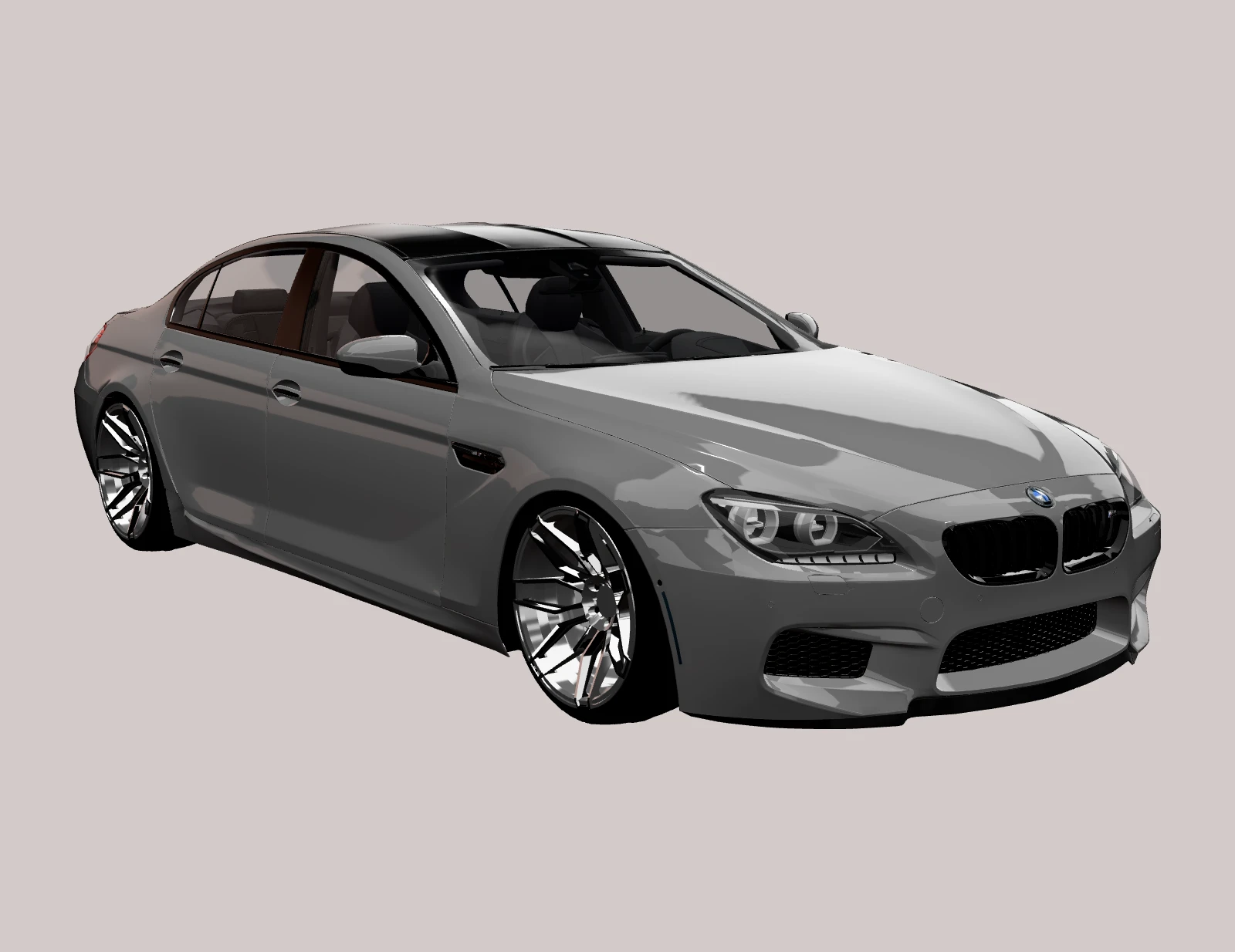
BMW M6 Gran Coupé F06: the four-door M6, V8 specs and buying guide
The BMW M6 Gran Coupé F06 was the first four-door M6: the 560 hp twin-turbo V8 of the M5 in an elegant coupé body. Its history, engine, performance, specs and a buying guide.
0129 min read
 M5 F10Bimmer Garage19 Oct 2026
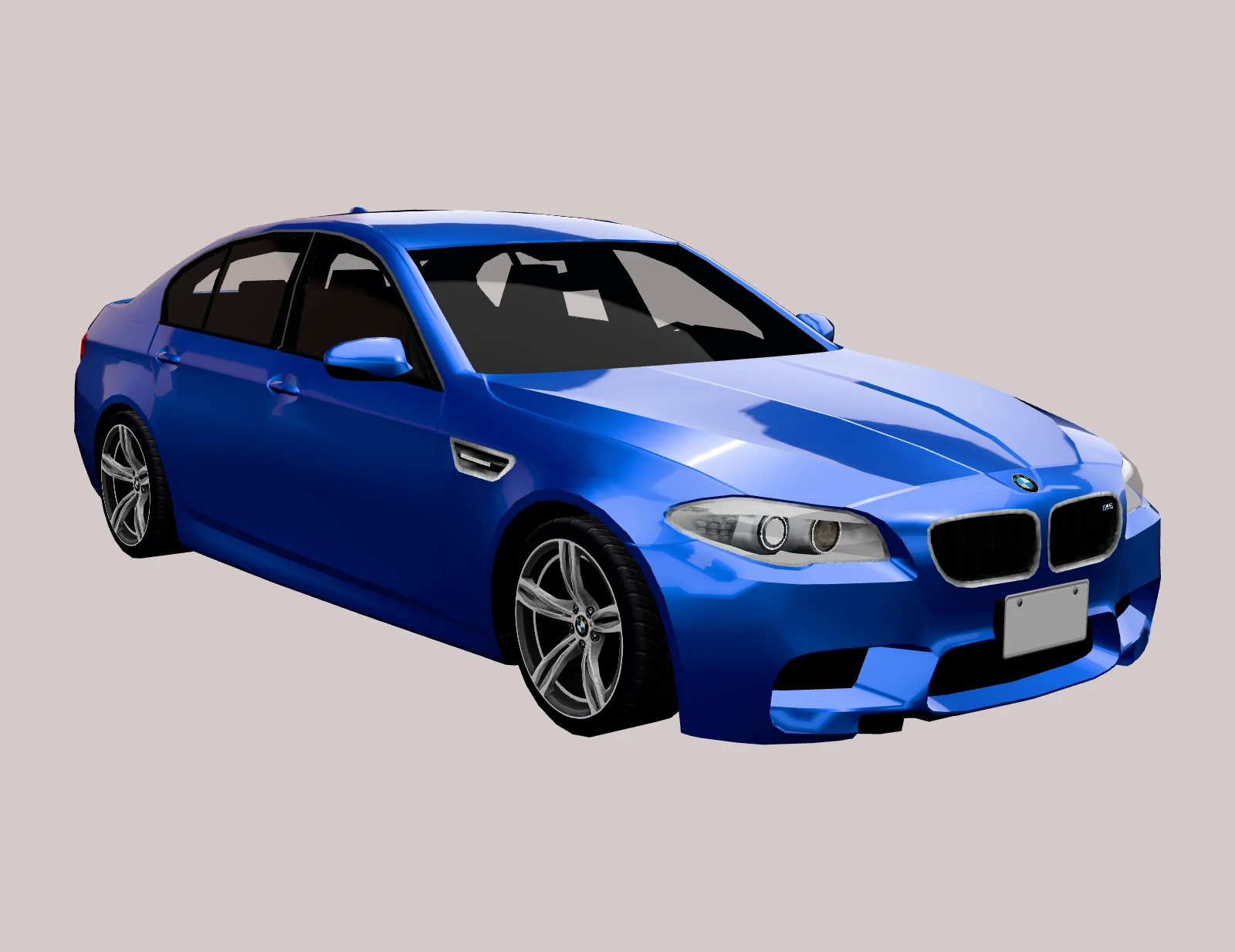
BMW M5 F10: history, S63 V8, Competition Package, 30 Jahre and specs
The BMW M5 F10 was the first M5 with turbocharging: a 560 hp twin-turbo V8, M DCT and rear-wheel drive. Its history, engine, special editions, performance and full specifications.
0199 min read
 X6 MBimmer Garage19 Oct 2026
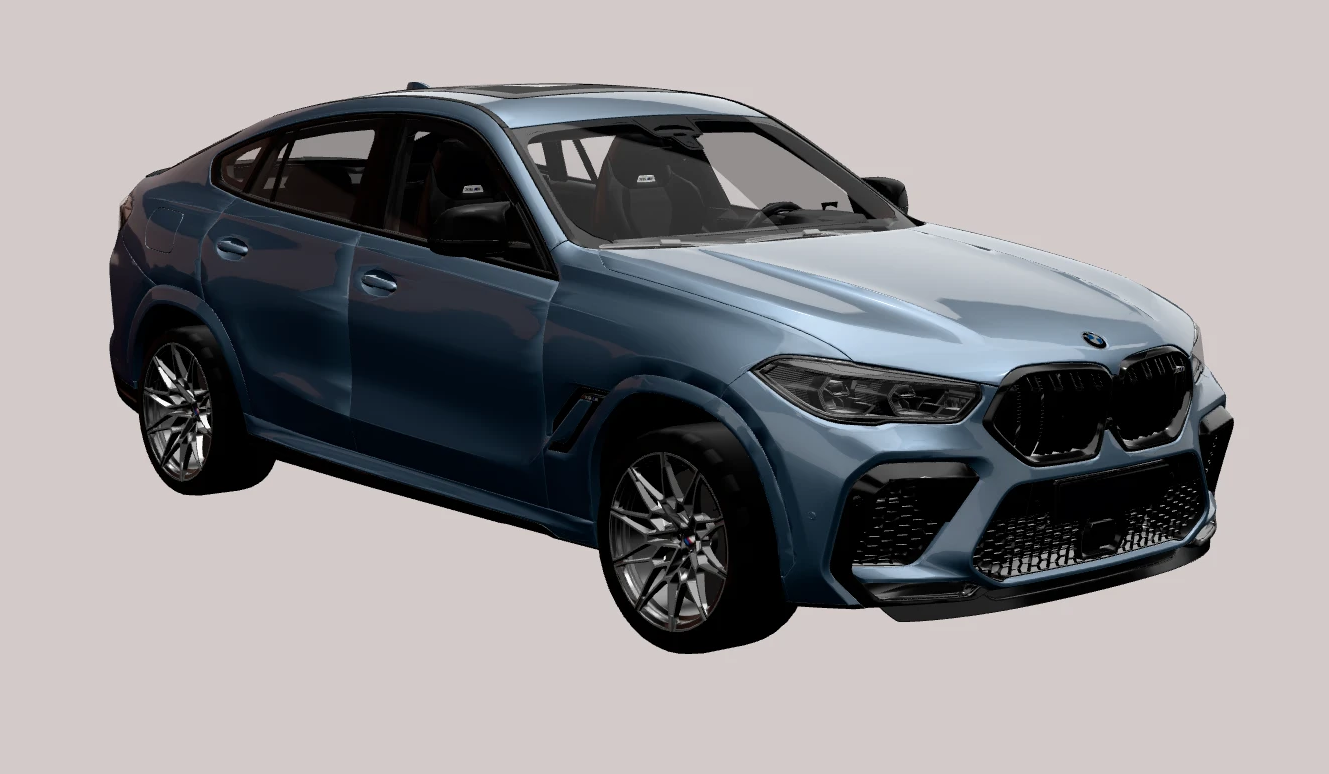
BMW X6 M Competition F96: 625 hp V8, specs, history and buying guide
The BMW X6 M Competition F96 combines a 625 hp twin-turbo V8 with M xDrive and a dramatic SUV coupé body. Its history, engine, performance, specs and a buying guide.
07410 min read
Comments 0
Join the conversation — be kind, no links.
Loading comments…